
The Briefing Room
The lake you leave on Labor Day is not the lake your dock sits in by Thanksgiving. The drawdown is predictable. Damage from it is optional.
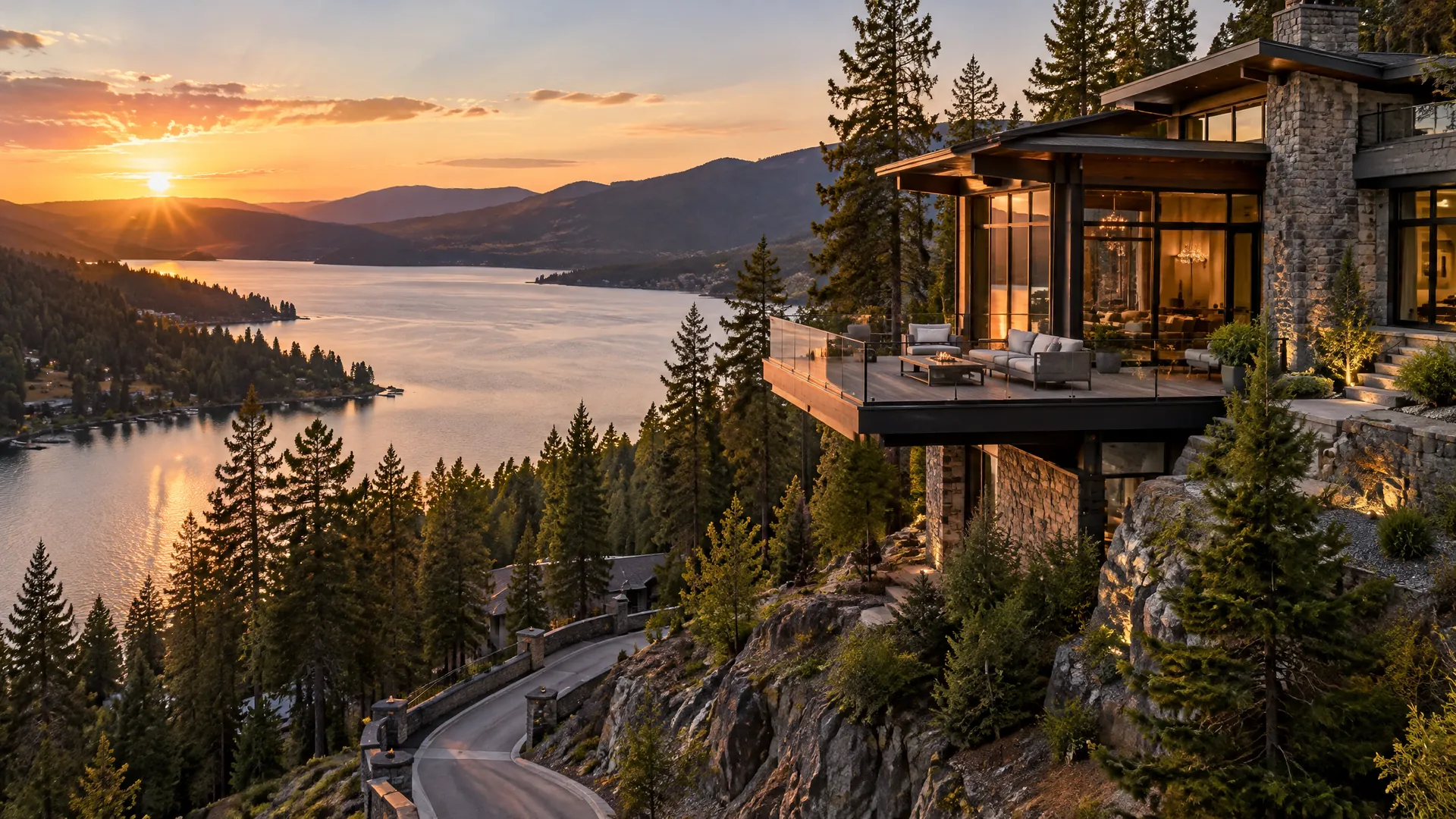
Lake Coeur d’Alene is held at its summer level by the Post Falls dam through the boating season. After Labor Day, Avista begins lowering it toward its winter level, and by late fall the water sits several feet below where it was in July. The exact dates and depths move a little year to year with runoff and the operating license, but the pattern is the same every autumn and it affects every lakefront property from the Spokane River arm down to Worley and Rockford Bay.
For a full-time resident this is background noise. For an owner who left in September and comes back for the holidays, it is the single most common source of surprise damage we see on waterfront properties.
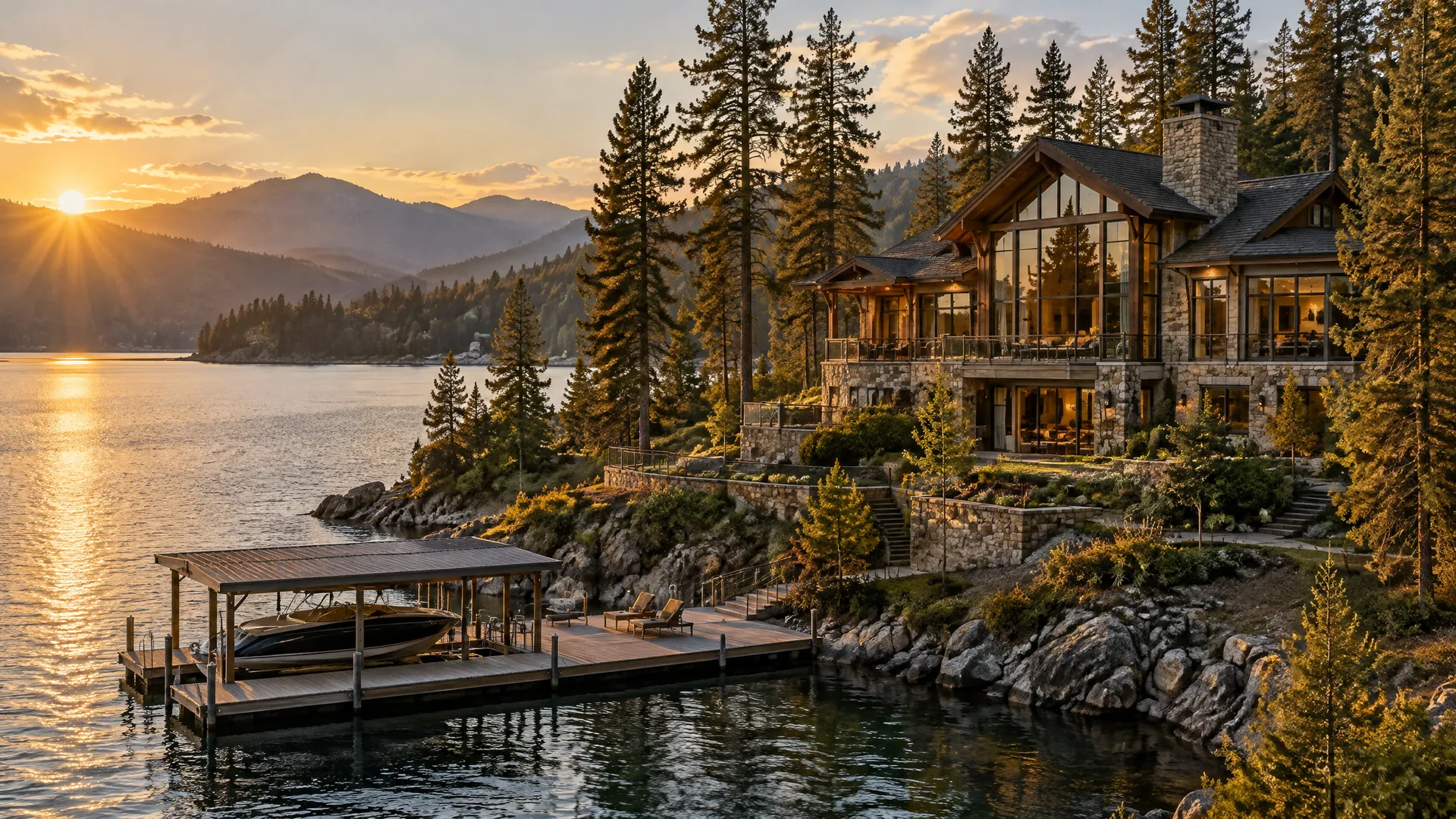
A floating dock that was in eight feet of water in August can be sitting on rock and mud by November. Floats crack, frames rack, and the ramp angle to shore goes past what its hinges were built for.
A lift left in its summer position can end up with the cradle on the bottom and the boat still on it. Canopies left up catch snow load and wind they were never meant to hold.
Irrigation and domestic intakes that draw from the lake can end up above the waterline or in silt. Pumps that run dry do not run again.
Lower water exposes bank that spent all summer underwater. Freeze-thaw on that saturated ground moves rock and undercuts stairs, patios and retaining walls that looked solid in July.
Every waterfront client on Sentinel, Evergreen or Heritage gets a shoreline sequence built into their fall calendar. The dates shift with the weather, but the order does not.
We do not do the dock work ourselves; the dock builders and lift companies who installed your equipment know it best. What we do is get them scheduled before they are booked out, meet them on site, confirm it was done to spec, and put the photos and the invoice in your Private Estate Ledger so you have a record of it.
Home Watch is bi-weekly and does not include coordination hours, so the dock sequence is not built in. What is built in is that every exterior walkthrough covers the shoreline, dock and lift, and if we see a float grounding out or a lift cradle getting close to the bottom, you hear about it the same day with photos. Many Home Watch clients simply have us book their dock crew as a one-time arrangement each fall; we are happy to do that.
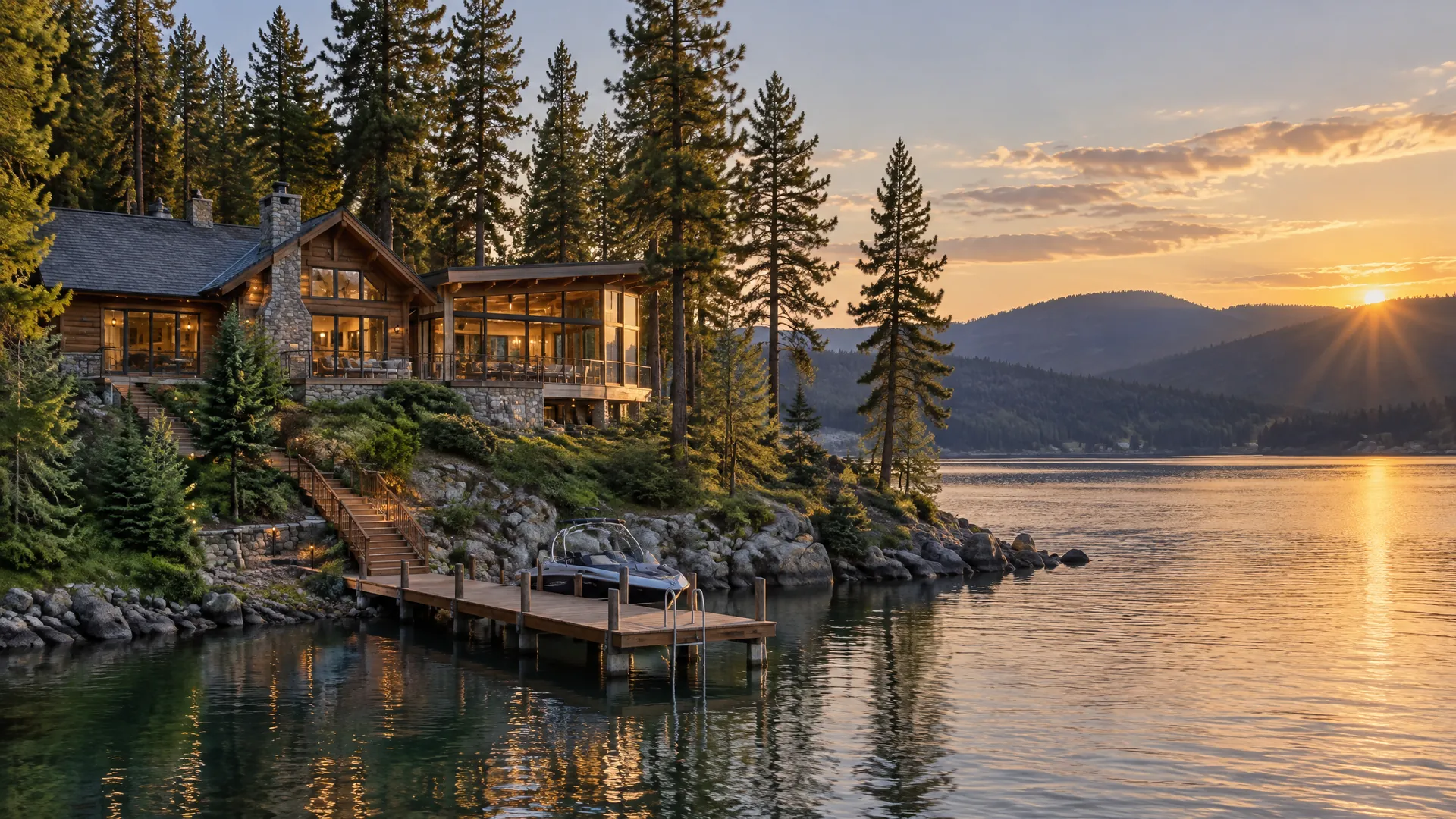
If your dock, lift or intakes have never had a fall plan, the time to build one is before the lake starts dropping. Tell us where the property is and what is on the waterfront, and we will lay out the sequence.
Special Care Estates is operated by Specials Home Selling Team LLC. Walkthroughs are visual, non-invasive checks and are not a licensed home inspection.